
As part of its ongoing partnerships and institutional collaborations with Ghana’s security services, Wisconsin International University College, Ghana (WIUC-Ghana), is taking another significant step towards strengthening the technical capacity of personnel of the Ghana Armed Forces through specialised cyber defence training in cybersecurity and digital forensics.
The Wisconsin School of Computing and Technology is facilitating the training. In addition, the training is a collaboration with the Ghana Armed Forces School of Information Technology (GAFSIT).
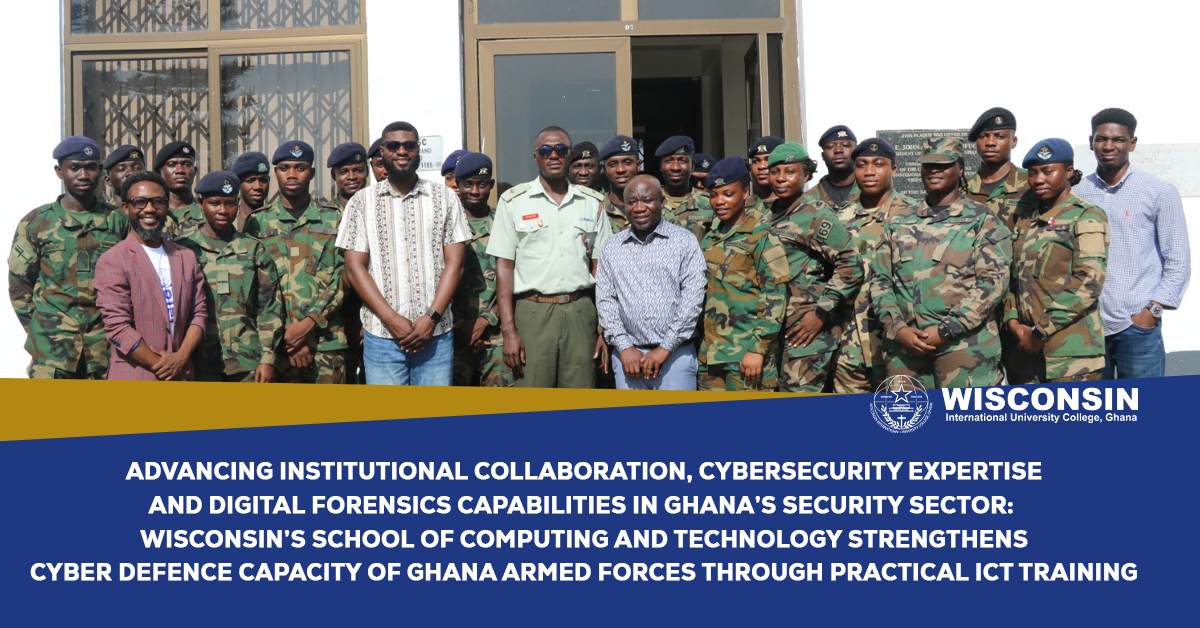
This initiative reflects Wisconsin’s commitment to delivering practical, industry-relevant ICT training. It equips professionals with the knowledge, technical skills and competencies required for the growing demands of the digital security landscape.
Through experienced facilitators, hands-on instruction and state-of-the-art technological tools and equipment, Wisconsin is giving participants practical exposure. Specifically, this covers critical areas of cyber defence, digital investigations, artificial intelligence governance and systems security.
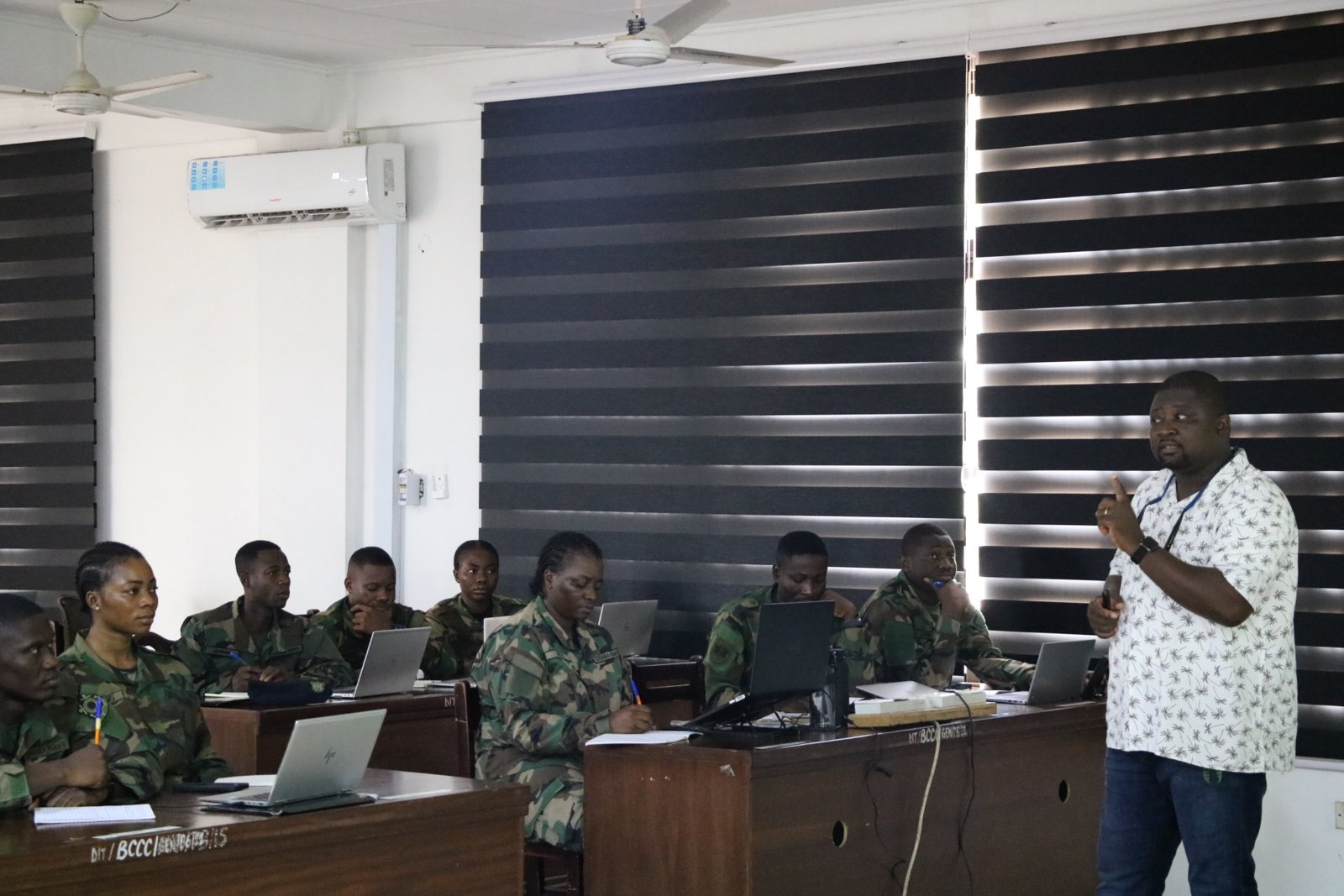
Day Two of the Cyber Defence Training Programme
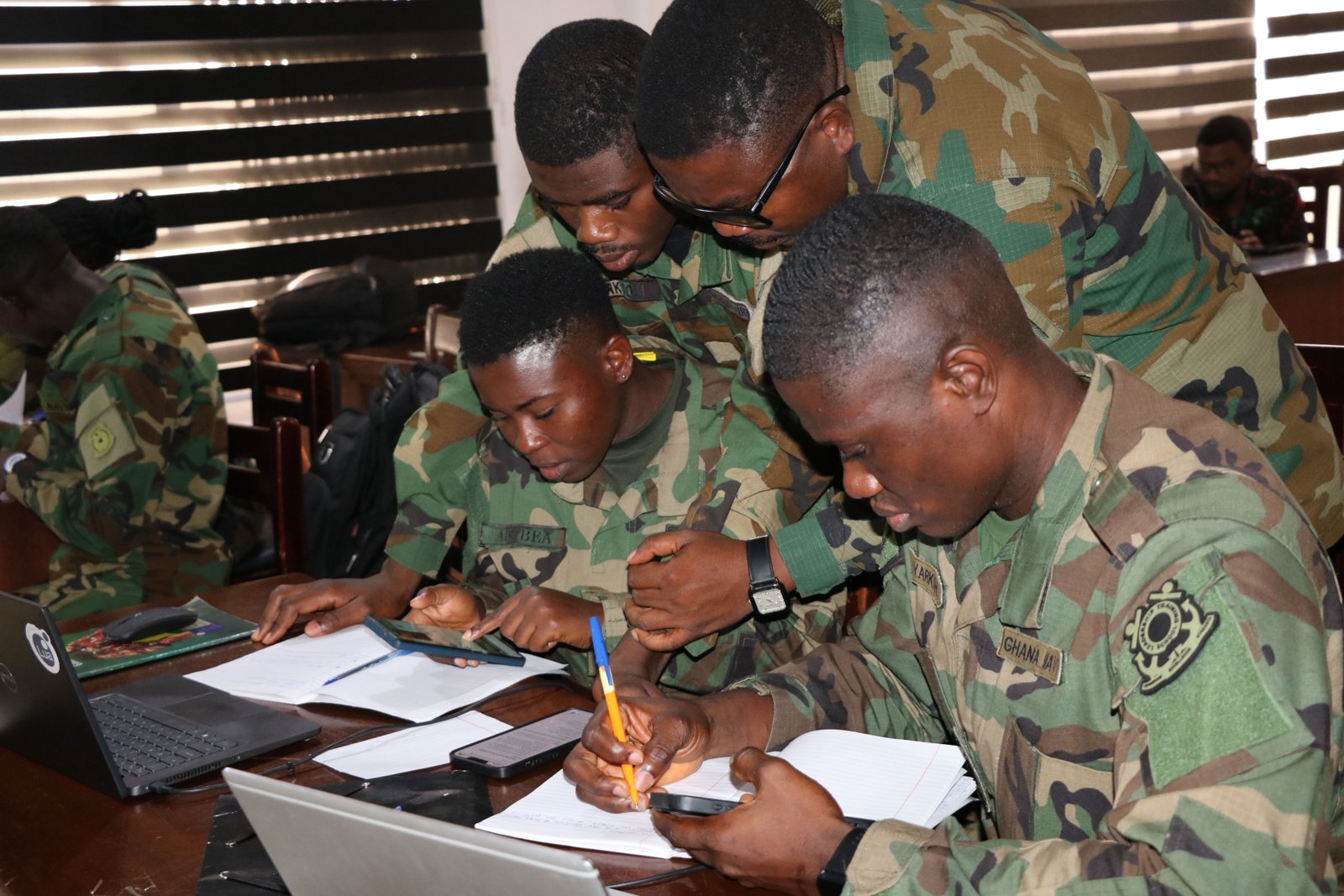
On the second day of its training, Wisconsin Cyber Defence Analyst Training Programme brought together serving military personnel and a team of facilitators from Wisconsin for an engaging combination of expert-led discussions, presentations and practical demonstrations by a Wisconsin team comprising Mr. Edwin Agbah, Dr. Richard Amankwah, Mr. Charles Asiedu Jnr., Mr. Sahad Amadu, Mr. Robert Gadafi, Mr. Maxwell Amuzu and Mr. Dunstan Guba. The sessions covered several critical areas relevant to contemporary cybersecurity and national security operations.
AI Governance and Management Sessions
Mr. Charles Asiedu Jnr. opened the day’s programme with an insightful session on Artificial Intelligence (AI) Governance. The session explored questions of accountability, responsible AI development, access and oversight. The discussion highlighted the importance of establishing appropriate governance frameworks. These frameworks ensure that organisations develop and deploy AI technologies responsibly, particularly in sensitive national security environments.
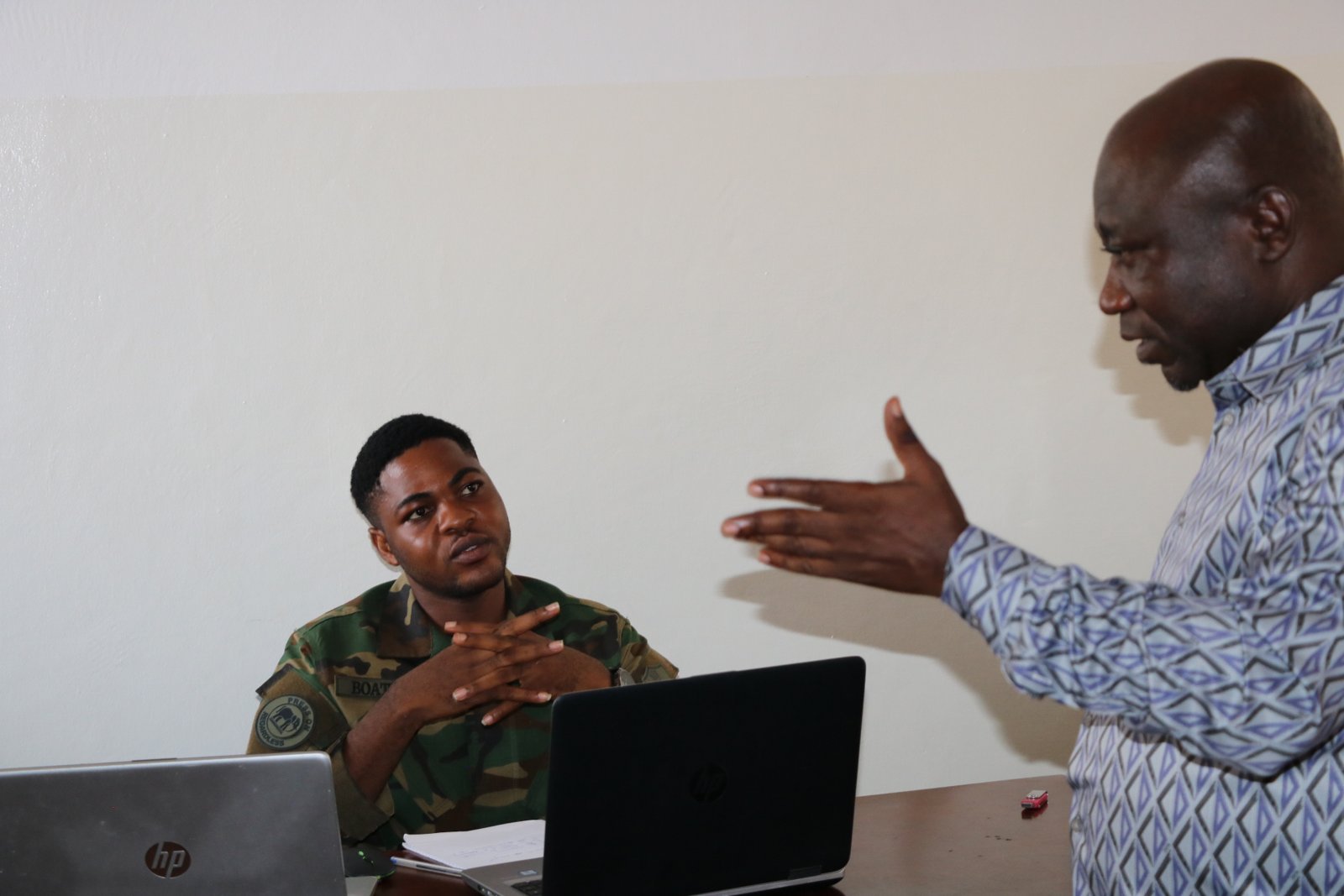
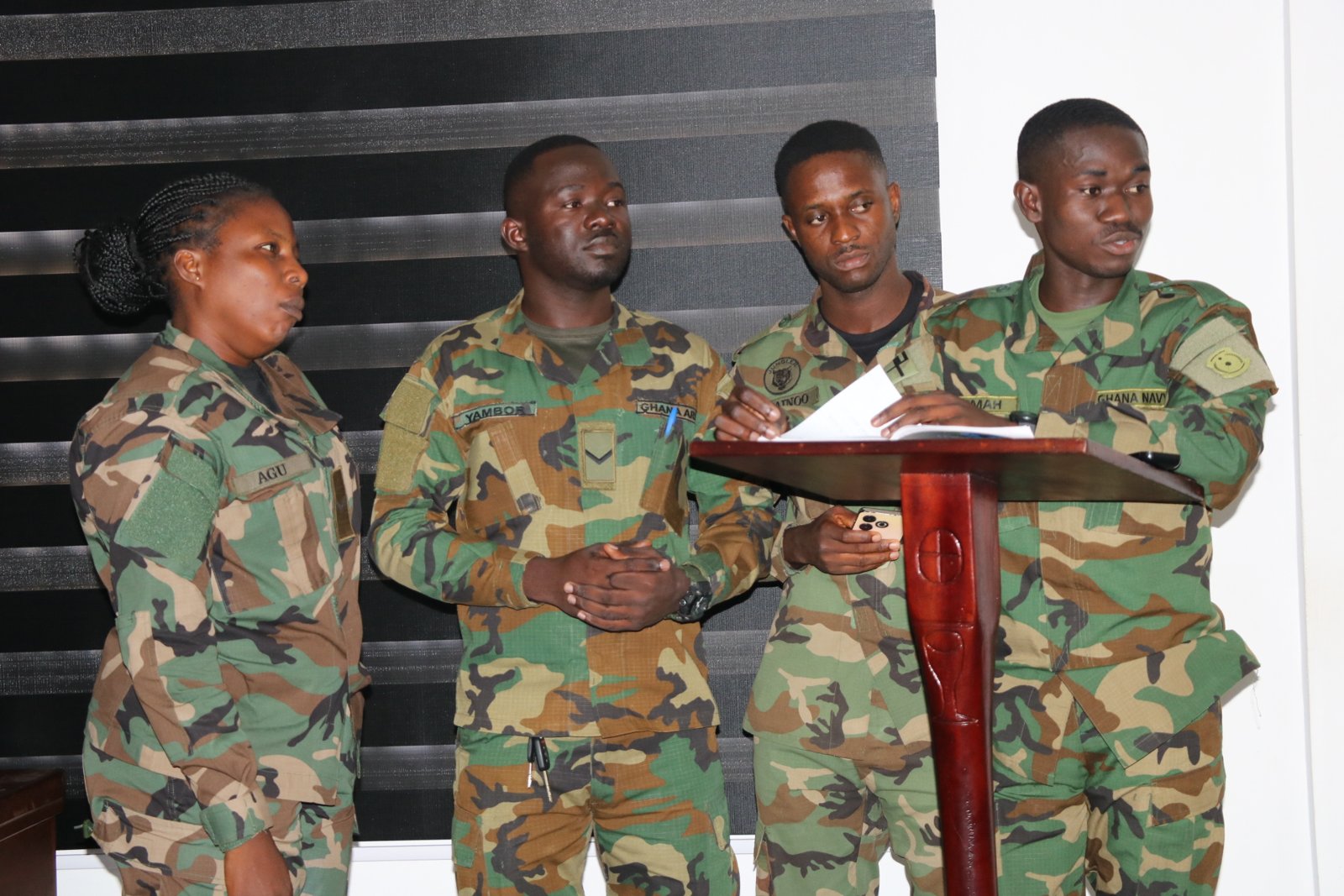
Building on this discussion, Mr. Sahad Amadu, Dr. Richard Amankwah and Mr. Maxwell Amuzu facilitated an interactive session on management, examining the relationship between institutional policies, operational procedures and effective implementation. Participants also had the opportunity to demonstrate their understanding through presentations and contributions, encouraging peer learning and practical engagement.
Cyber Defence Training in Digital Forensics and System Logs
The programme subsequently transitioned into technical cybersecurity training. Mr. Edwin Agbah introduced participants to system log sources and digital evidence acquisition. This included practical exposure to Cellebrite, a specialised digital forensics solution for extracting and analysing data from digital devices.
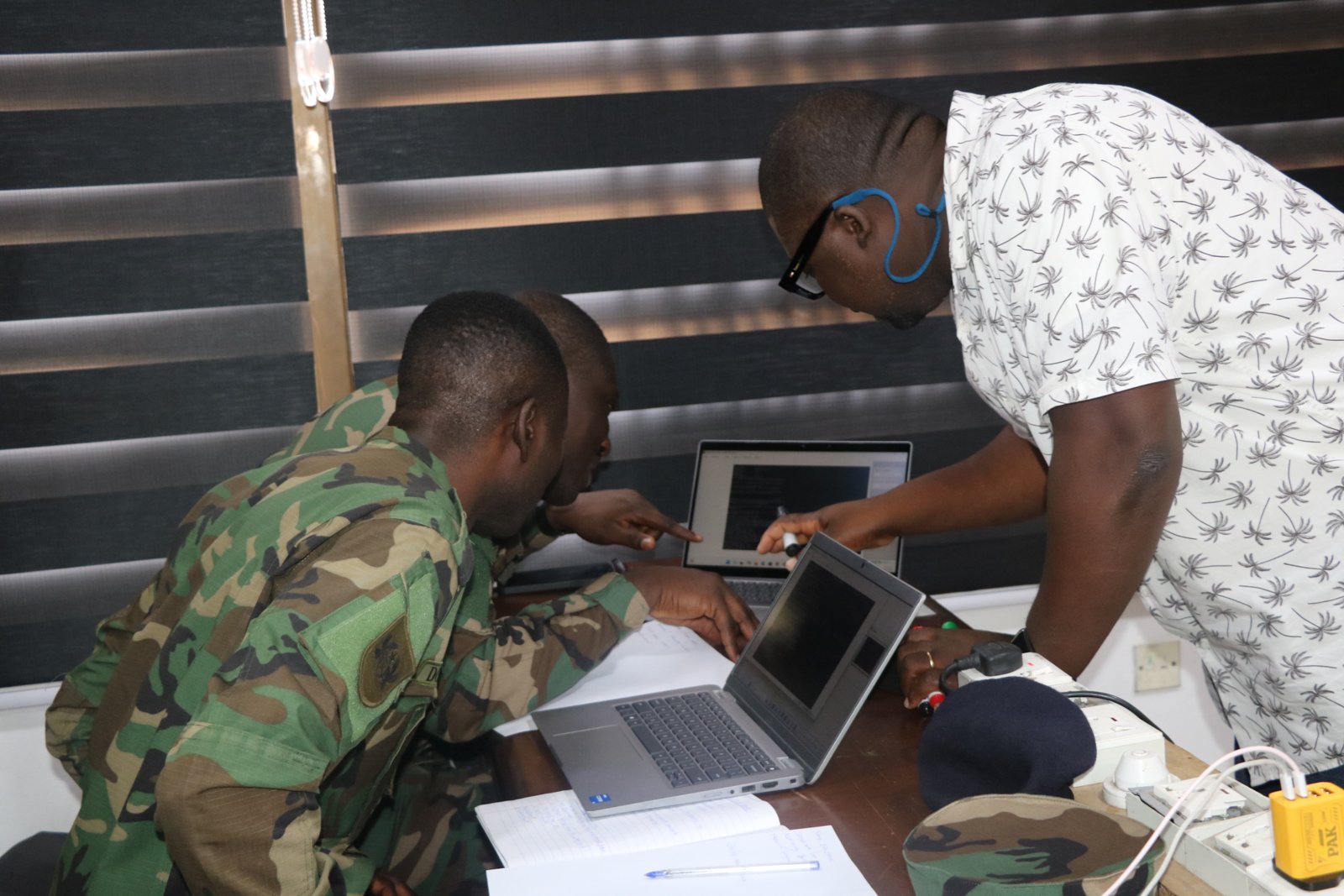
Mr. Dunstan Guba and Mr. Robert Gadafi further guided participants through the interpretation of system log entries, demonstrating how digital records can be examined to establish what happened within a system, when an incident occurred and the possible source of an activity. These competencies are essential to effective cyber incident investigation and digital forensic analysis.
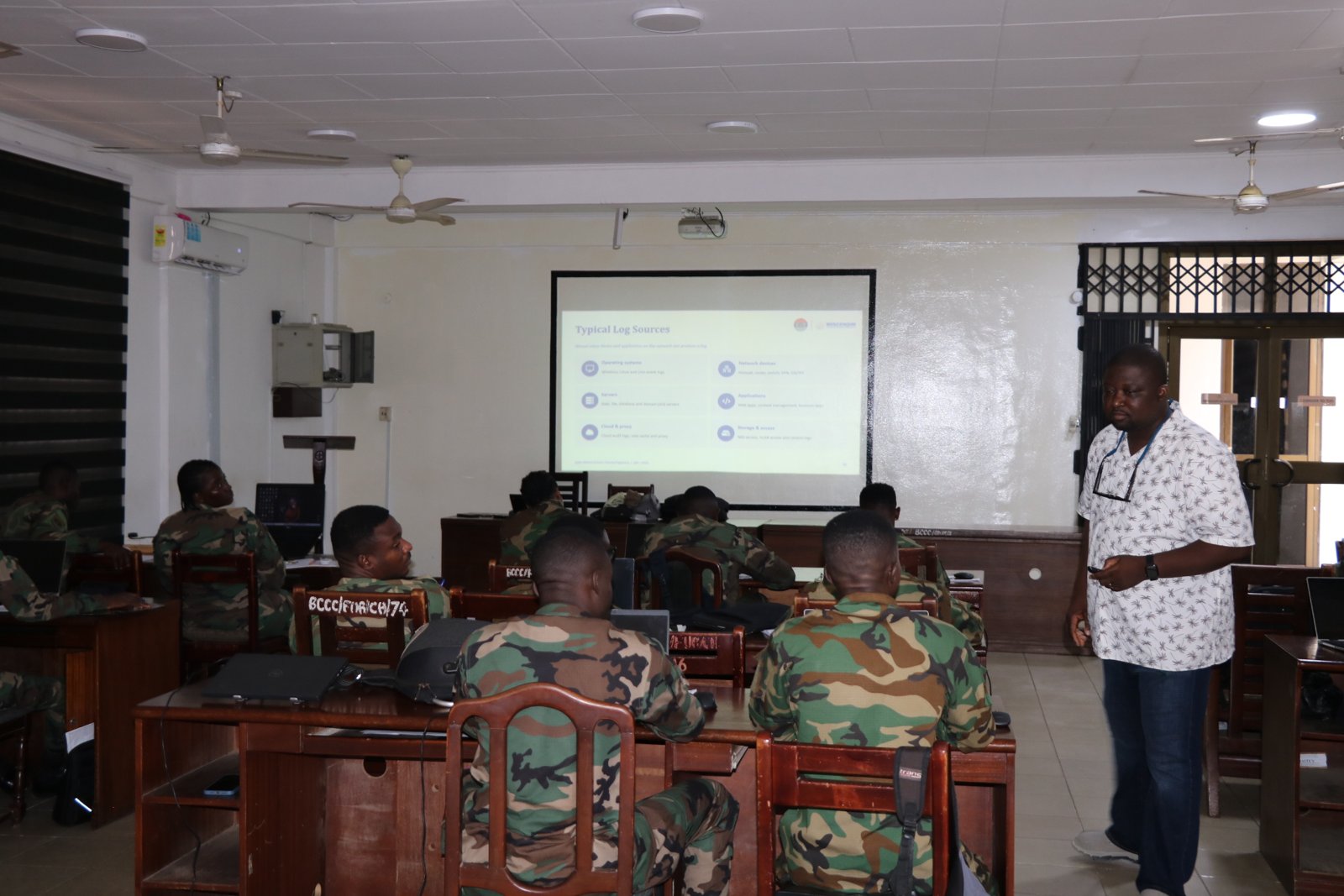
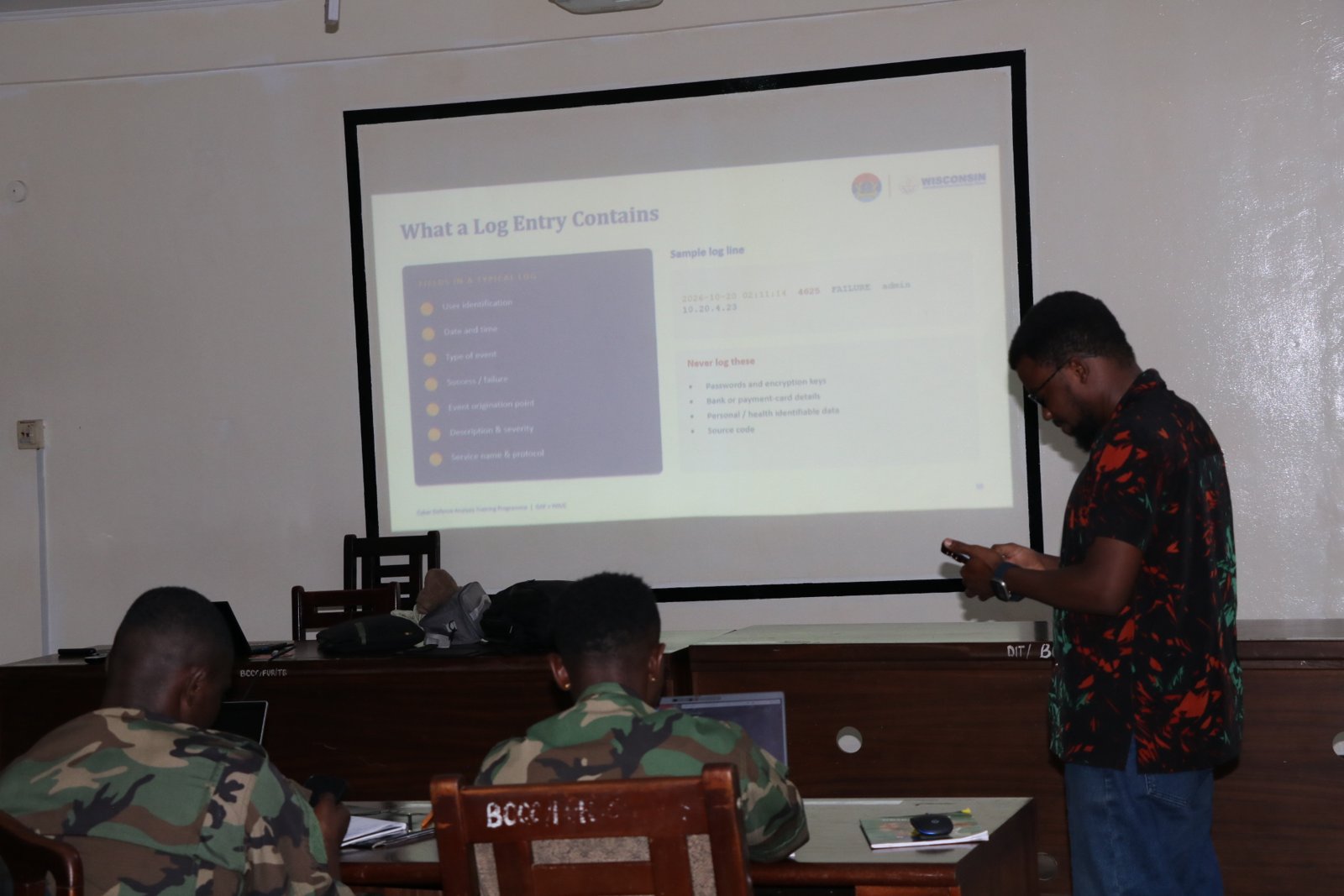
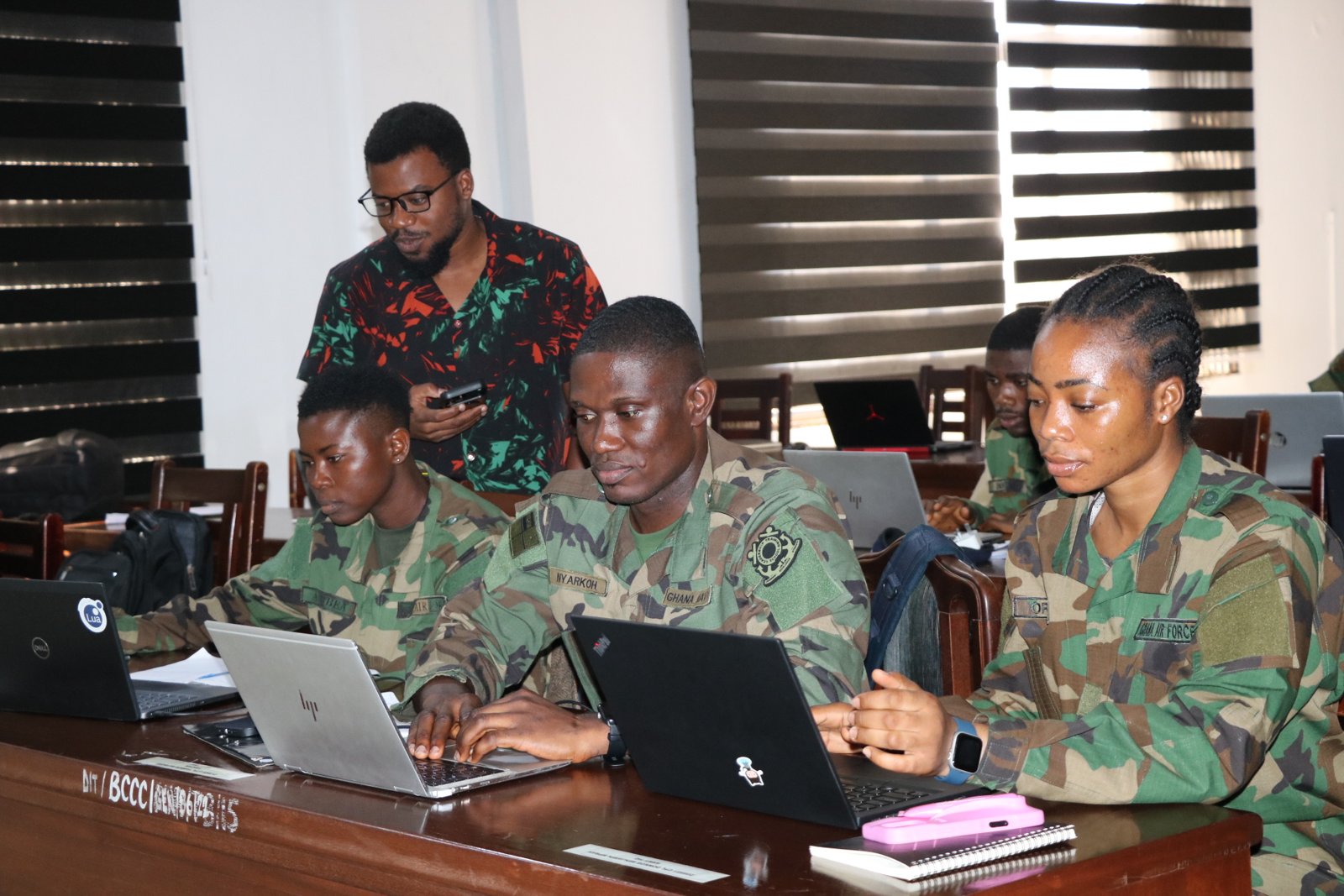
The day’s training concluded with an introduction to Windows Server environments and the Linux terminal, providing participants with foundational exposure to tools and operating environments commonly used in IT administration, cybersecurity operations and digital investigations.
Building Ghana’s Digital Security Capacity
The GAFSIT/Wisconsin training initiative represents more than a professional development programme. It underscores the importance of sustained collaboration between higher education institutions and national security agencies in building the human capacity required to safeguard Ghana’s increasingly digital environment.
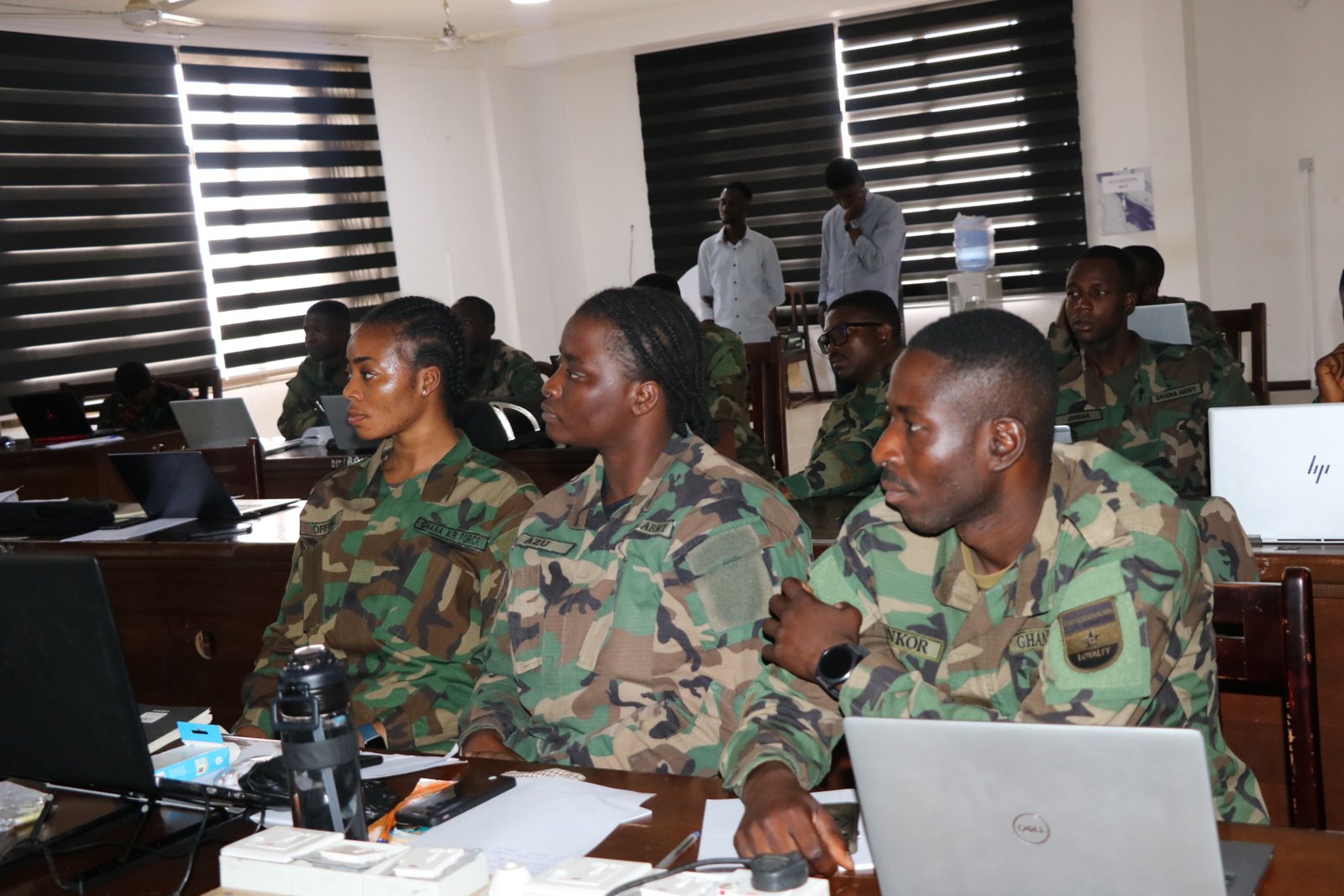
Wisconsin International University College remains committed to leveraging its academic expertise, specialised ICT infrastructure, experienced facilitators and practical training resources. As a result, this supports capacity development across Ghana’s security and public institutions.
Through strategic partnerships with the security services, the University continues to position itself as a valuable institutional partner. In doing so, it advances cybersecurity education, digital forensics, artificial intelligence and other emerging technology fields.
As cyber threats become increasingly sophisticated, Wisconsin recognises that national security must be supported by continuous learning, technological innovation and a highly skilled workforce.
