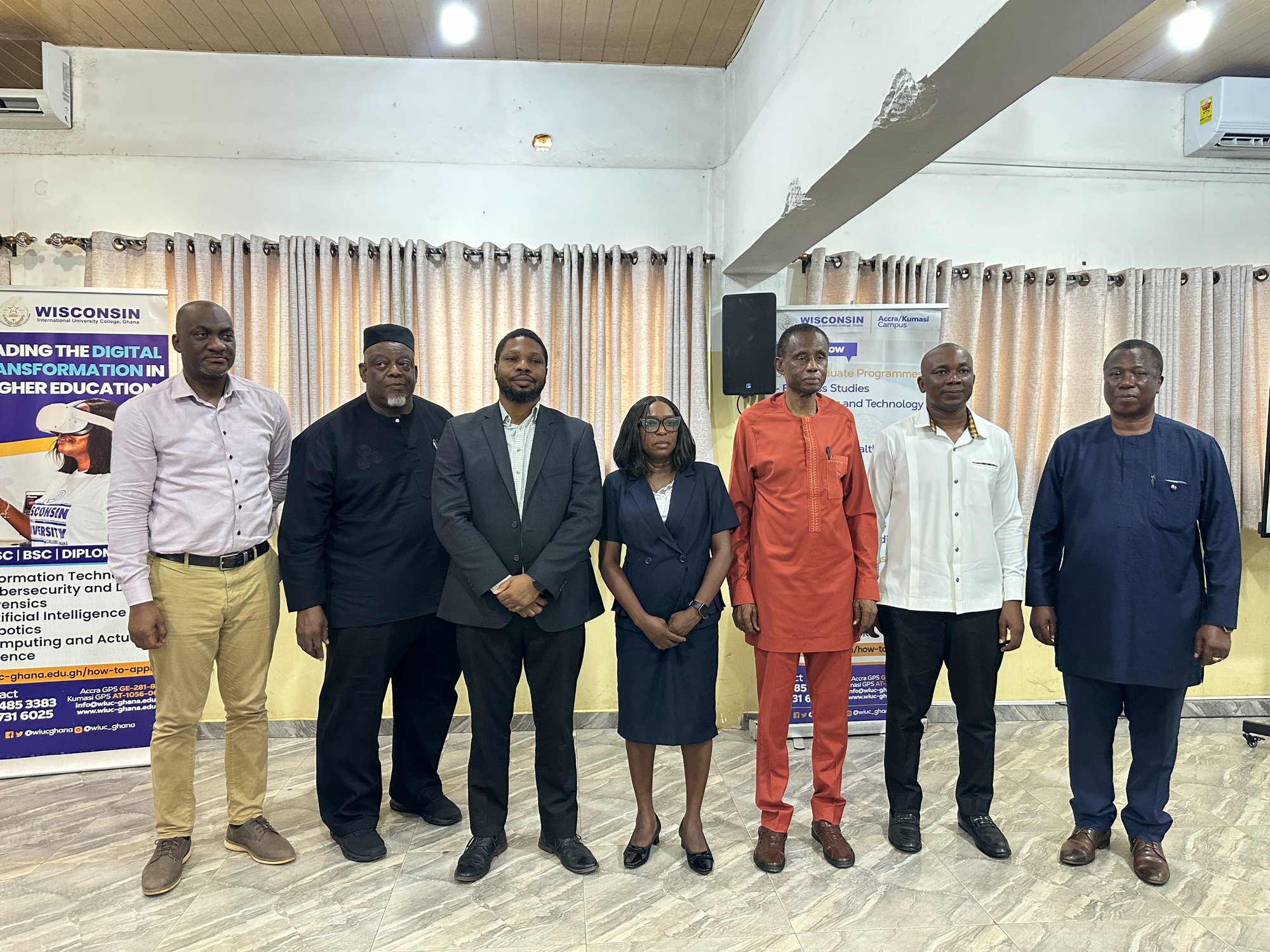
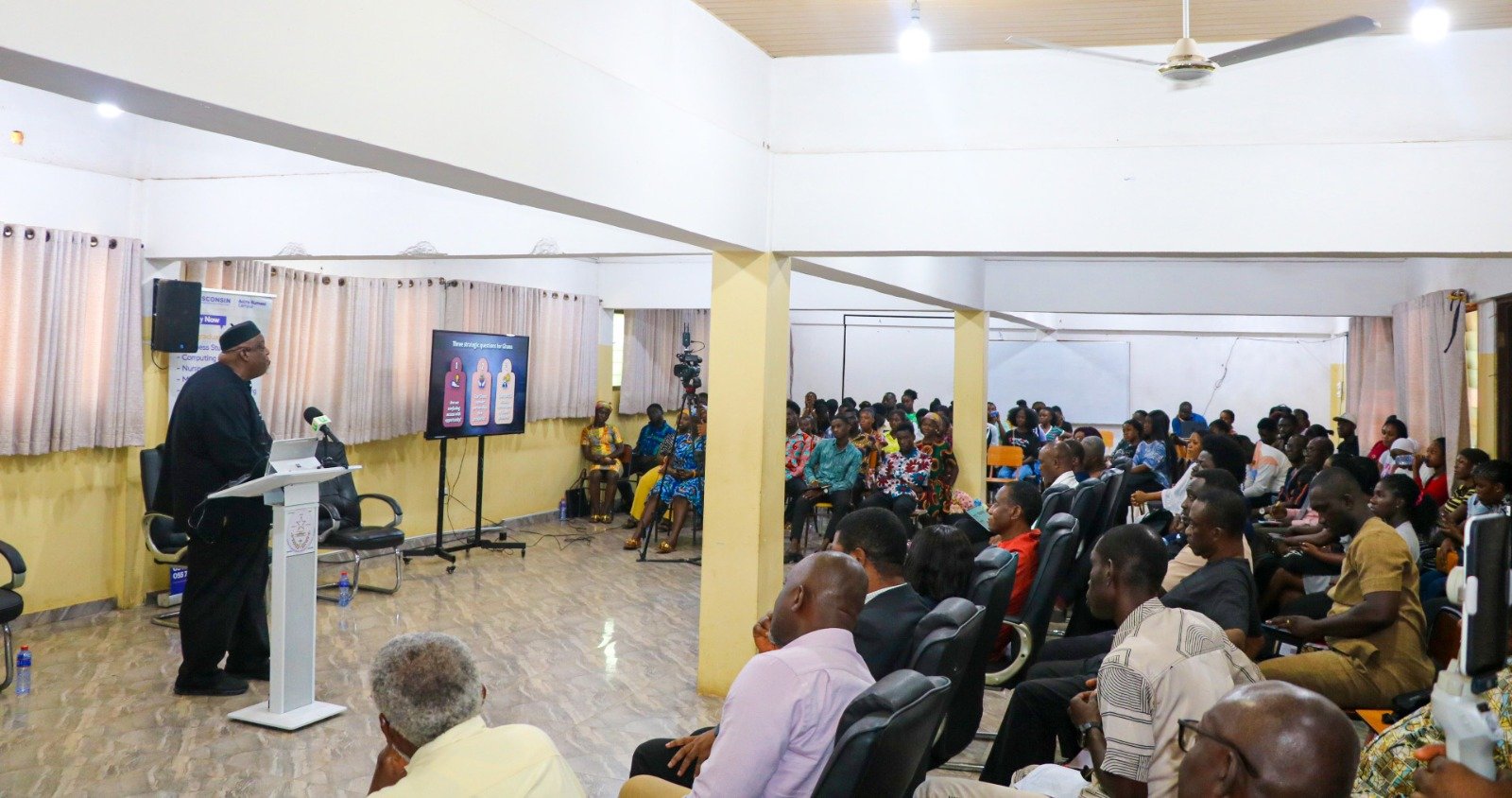
The Business School of Wisconsin International University College, Ghana, hosted a policy dialogue on Tuesday, 27th October, 2026, to examine Ghana’s bid to engage with BRICS. The discussion brought attention to the country’s objectives, its readiness to benefit and the importance of a clear national strategy.
Why Ghana’s BRICS bid matters
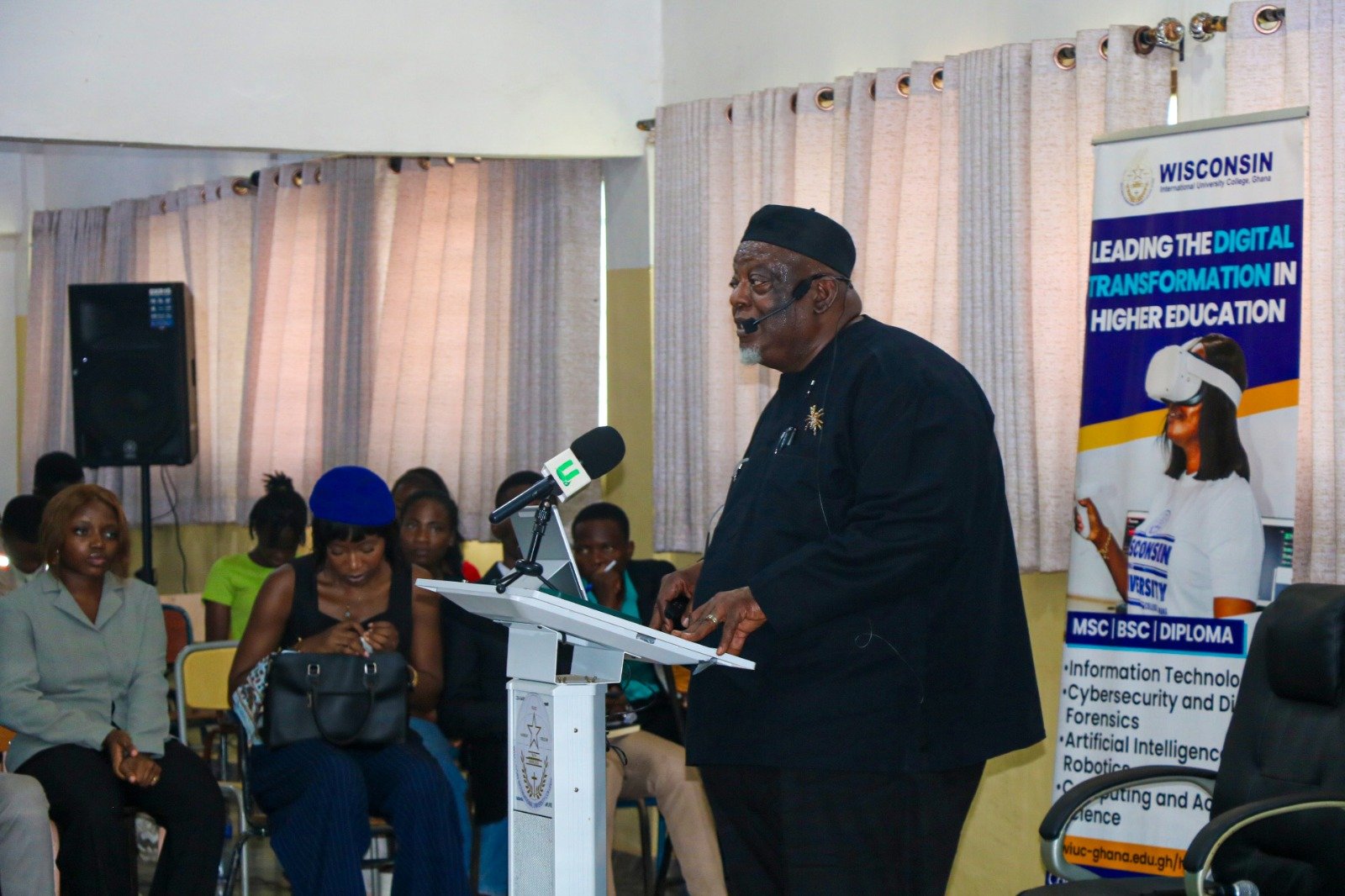
Addressing the dialogue, the President of Wisconsin International University College, Ghana, Dr. Lawrence A. Kannae, described Ghana’s pursuit of a BRICS partnership as “bold and forward-looking.” He also stressed the need for careful examination by academia and industry.
Dr. Kannae highlighted the grouping’s influence in global production and development finance. He framed the event as an opportunity for critical inquiry grounded in evidence, with attention to how Ghana could position itself within a changing international economy.
Economic perspectives
Economist Professor Godfred Bokpin emphasized that Ghana’s progress would depend primarily on its own policies and choices. While acknowledging BRICS’ growing international influence, he cautioned against expecting participation to provide an automatic answer to the country’s economic difficulties. External cooperation, he explained, could support national development, but effective domestic policies and responsible economic management would remain essential.
Professor Bokpin therefore encouraged Ghana to identify specific objectives and determine how engagement with the grouping could help achieve them.
The implication is that diplomatic access must be supported by preparation at home. For example, an ambition to expand exports needs a clear understanding of the products Ghanaian firms can supply, the standards buyers require and the obstacles businesses face in reaching those markets. These are useful measures against which any proposed partnership can be assessed.
Questions on value and financing
The Chief Executive Officer of Dalex Finance, Mr. Joe Jackson asked what Ghana would gain beyond the opportunities available through its existing relationships.
He pointed to Ghana’s participation in international organizations and trade initiatives, including the United Nations, the Commonwealth and the African Continental Free Trade Area. His contribution urged policymakers to establish the additional value of BRICS engagement and define how success would be measured.
Mr. Jackson also cautioned that partner-country status would not automatically confer membership of the New Development Bank or guarantee financing. He raised concerns about investment arrangements that could leave limited benefits for domestic businesses and stressed the importance of productive investment and meaningful employment.
These concerns make the quality of individual agreements particularly important. A useful assessment would consider local supplier contracts, training opportunities, employment conditions and the productive capacity that remains in Ghana over time.
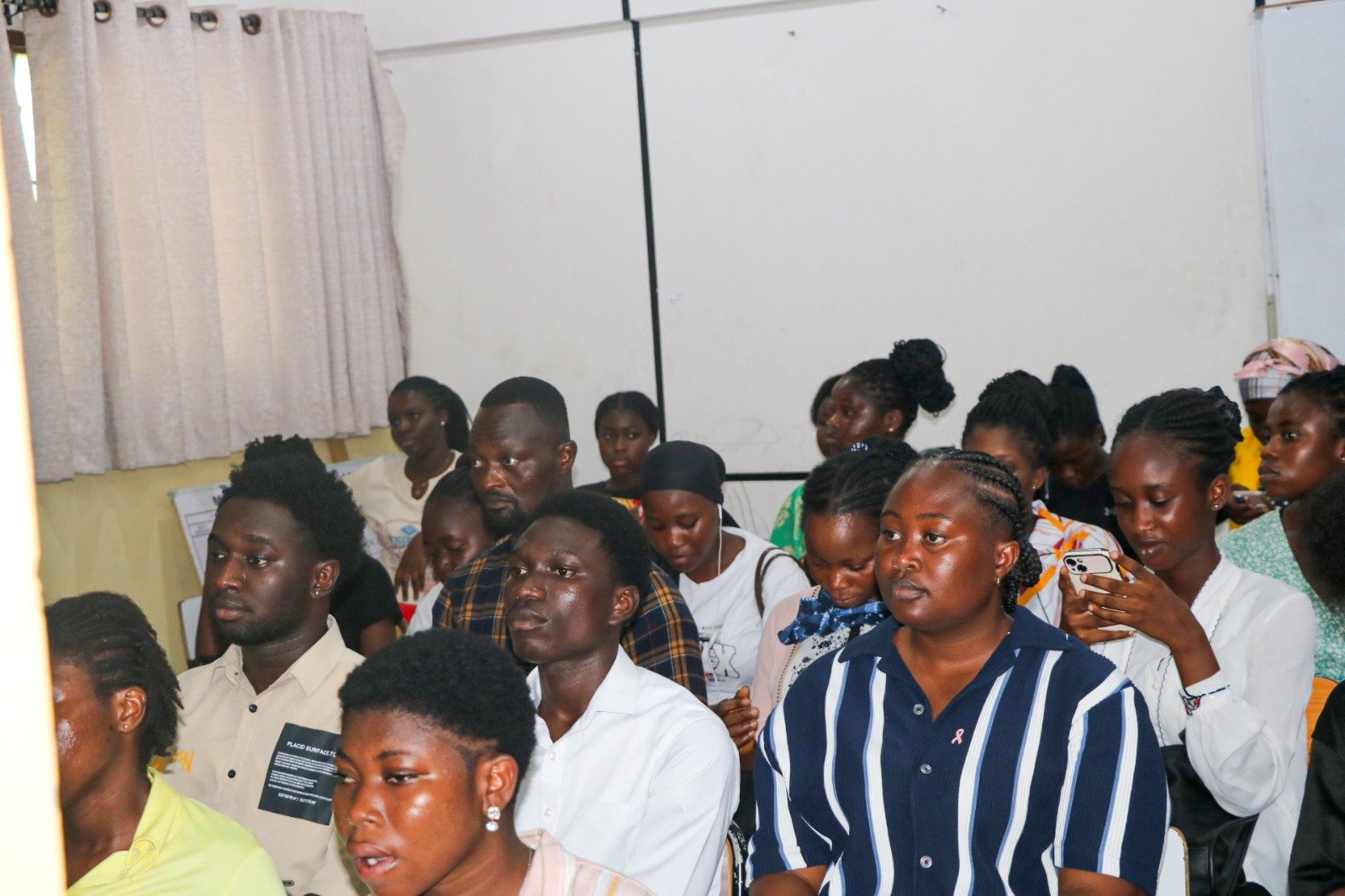
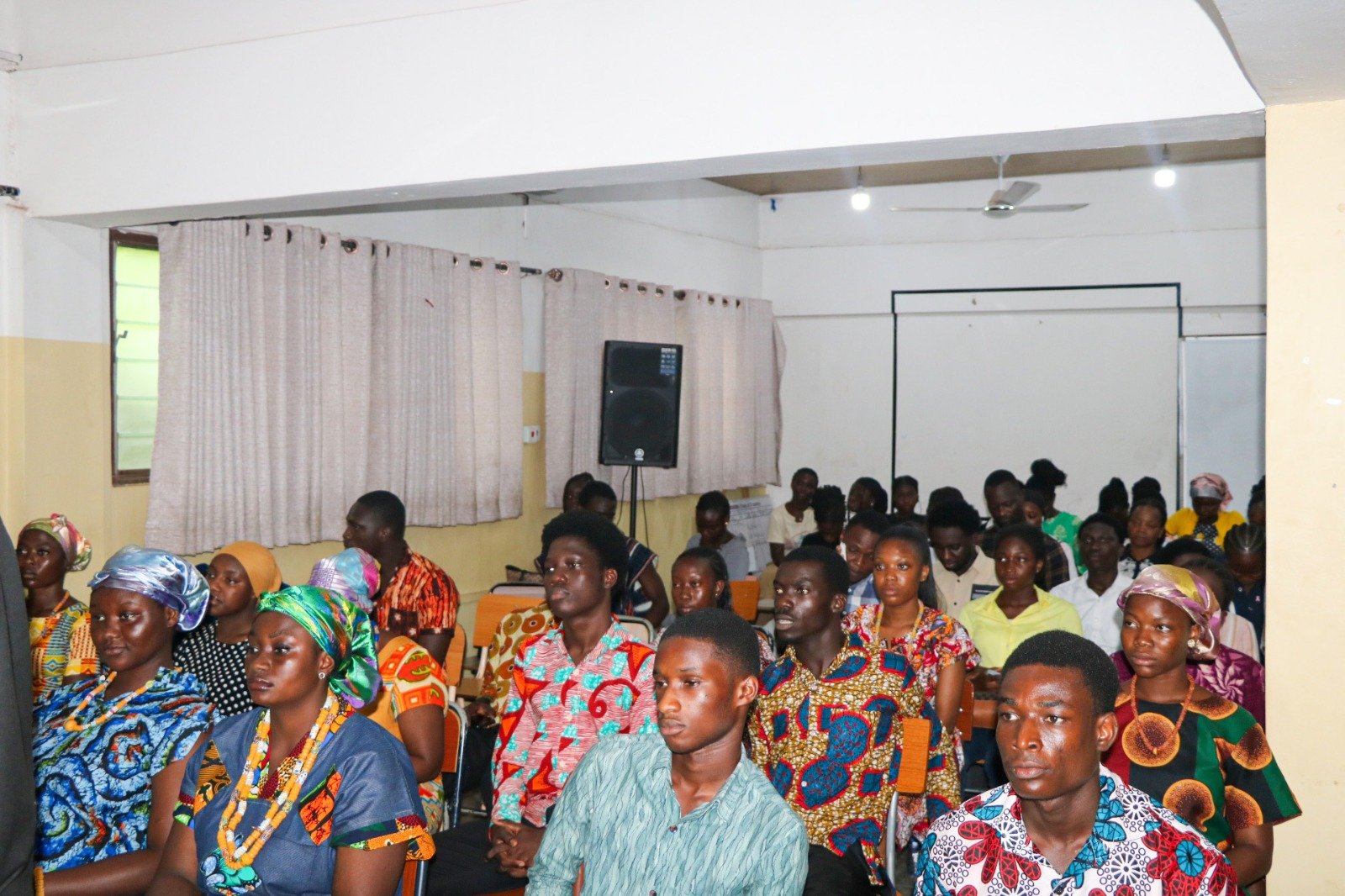
Wisconsin’s dialogue placed a major national economic question within a setting for academic and business scrutiny. Discussions of this kind allow students to examine how international relations connect with finance, investment decisions, enterprise development and public policy.