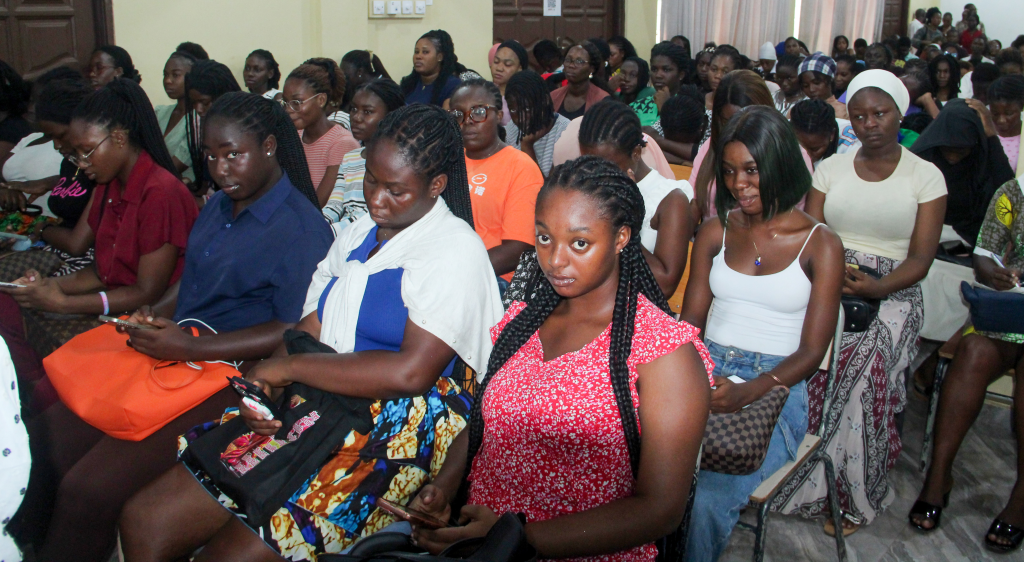

Wisconsin International University College, Ghana, continues to distinguish itself as a growing institution of excellence, attracting national thought leaders and industry captains to its academic platforms. This reputation was once again affirmed when the Wisconsin Business School hosted an impactful seminar on “Building Ghana’s 24-Hour Economy: Challenges and Opportunities” as part of its 2026 Business School Week celebrations.
The seminar brought together policymakers, financial market experts, industry leaders, academics, and students for a rich, multi-perspective engagement on Ghana’s emerging 24-hour economy policy.

Welcoming participants, the President of the University, Dr. Lawrence A. Kannae, underscored the significance of the gathering, noting that it reflected Wisconsin’s growing stature as a hub for high-level intellectual discourse. He further described the theme as timely and strategic and expressed the University’s appreciation to the speakers for sharing their insights with the Wisconsin academic community.
In his address, the Dean of the Business School, Dr. Bright Mawudoh, explained the rationale behind the seminar. He observed that Ghana’s economic discourse over the years has revolved around issues such as debt restructuring, industrial transformation, private sector growth, the Big Push Agenda, and Ghana Beyond Aid, with the 24-hour economy now emerging as the most prominent national conversation. He stated that the seminar sought to interrogate policies that would move Ghana from aspiration to sustained economic competitiveness and added that the event was deliberately designed to strengthen engagement between academia, policymakers, and industry practitioners.
Speaking on behalf of the Presidential Advisor on the 24-Hour Economy, Dr. Ishmael Nii Dodoo, Director and Head of Innovative Finance, Partnership and Market, described the policy as more than a programme, but a national vision to build a highly productive, wealth-creating economy and position Ghana as a regional powerhouse. He explained that the strategy focuses on industrialisation and job creation, supported by new technologies, infrastructure, and innovative implementation models to fast-track results.
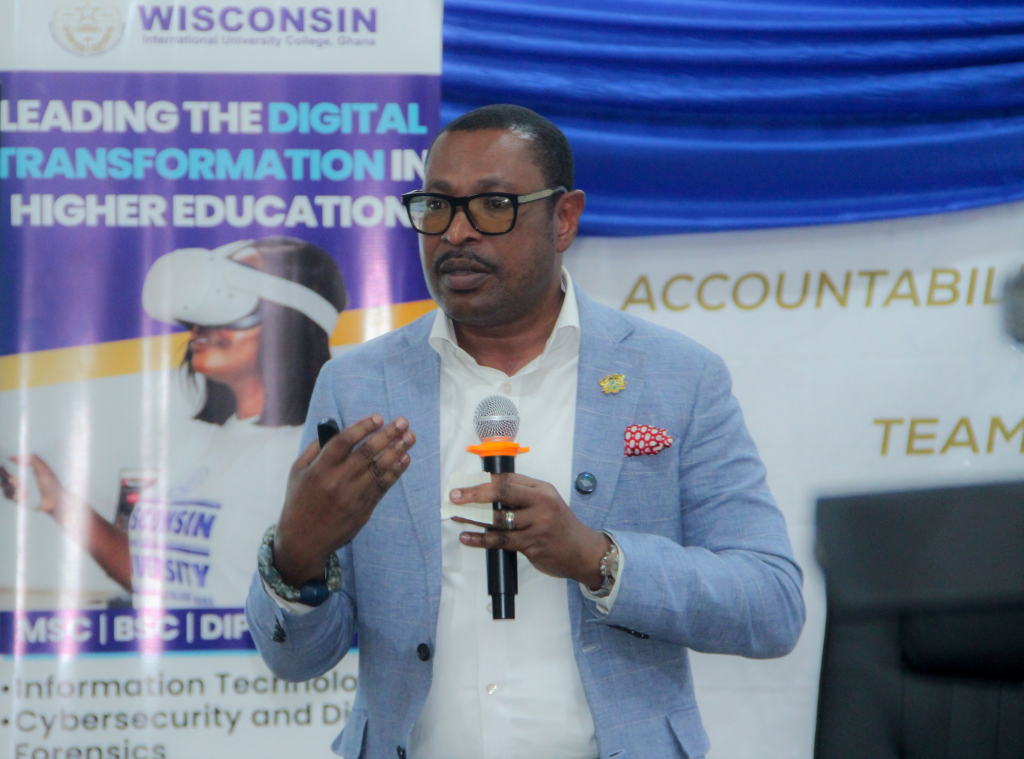
From the financial sector perspective, Mr. Joe Jackson, CEO of Dalex Finance, described the 24-hour economy as a bold and necessary attempt to restructure Ghana’s economic model. He noted that the integrated approach aligns production, logistics, finance, and labour to drive systemic change. He highlighted challenges such as dependence on raw material exports, high import consumption, weak production systems, and inefficient supply chains, stressing that the policy provides an opportunity to correct these structural weaknesses and ensure sustainable growth.
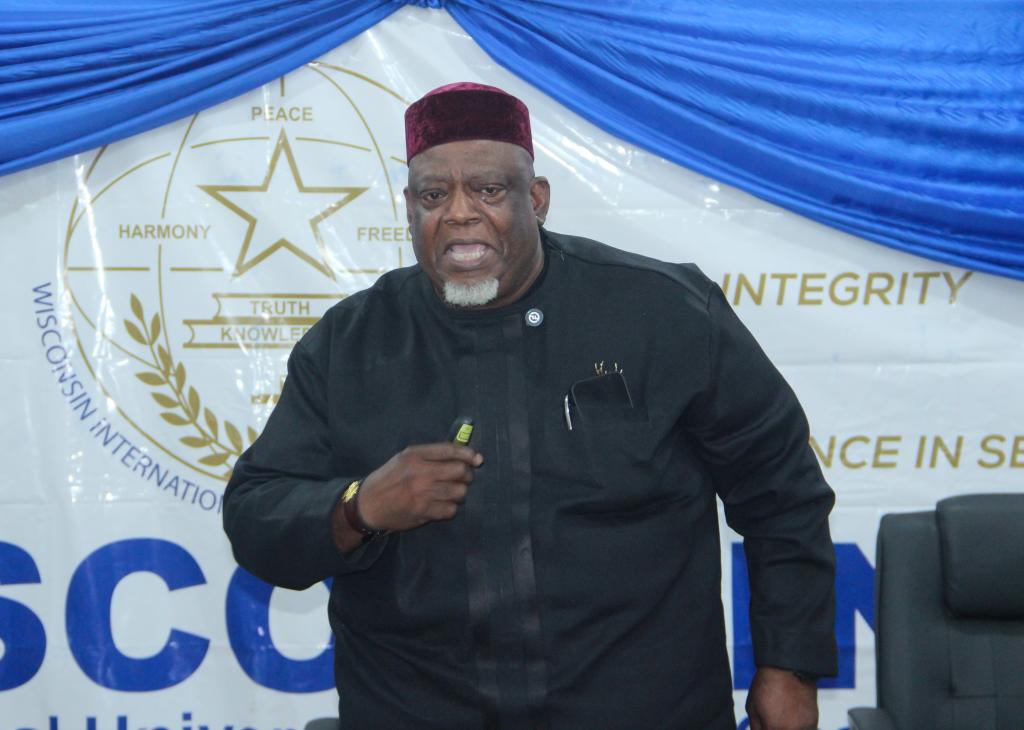
On the business and industrial front, Dr. Daniel McKorley, CEO of McDan Group, emphasized the need for Ghana to deepen its engagement in sectors such as transport services, mining, manufacturing, telecommunications, and aviation. He observed that these sectors require stronger infrastructure and called on major corporate players to collaborate to support the systems needed to make the 24-hour economy a practical reality.
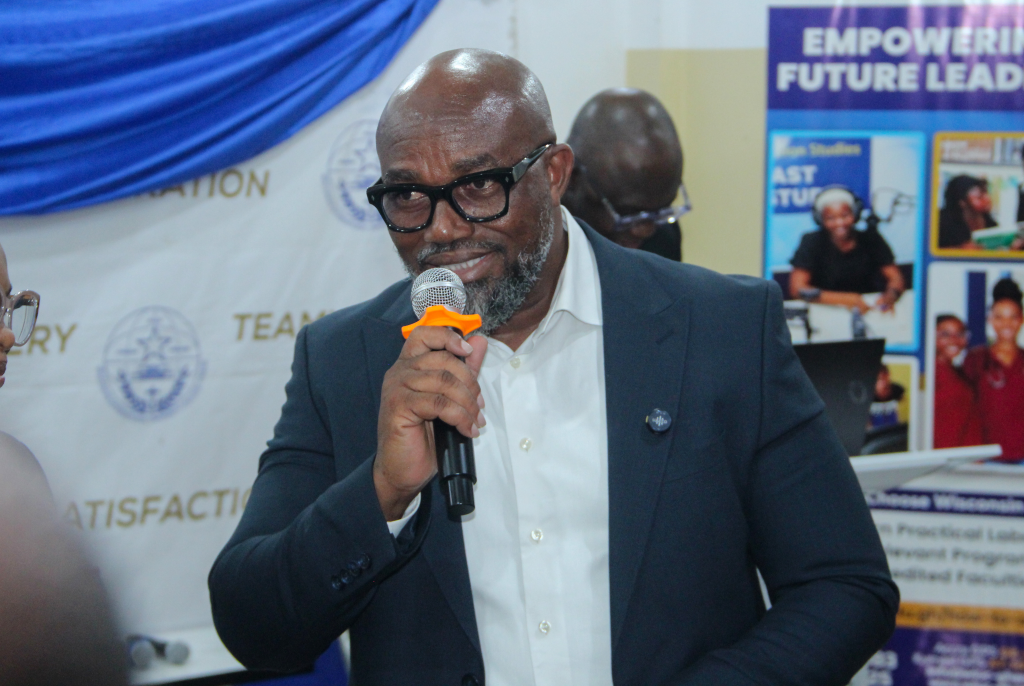
The 24-hour economy is a flagship policy initiative of the government of HE John Dramani Mahama, aimed at encouraging businesses to operate on a three-shift, 24-hour basis to enhance productivity, competitiveness, and job creation. By February 2026, the policy had transitioned from a campaign promise into a legal reality with the passage of the 24-Hour Economy Authority Bill into law. The seminar therefore served as a bridge between classroom theory and real-world policy and business practice.
The successful hosting of this high-profile policy dialogue reinforces Wisconsin International University College, Ghana’s steady emergence as a center of excellence and relevance.